# Why Everyone's Talking About “Third Spaces”—And Why You Might Need One Too

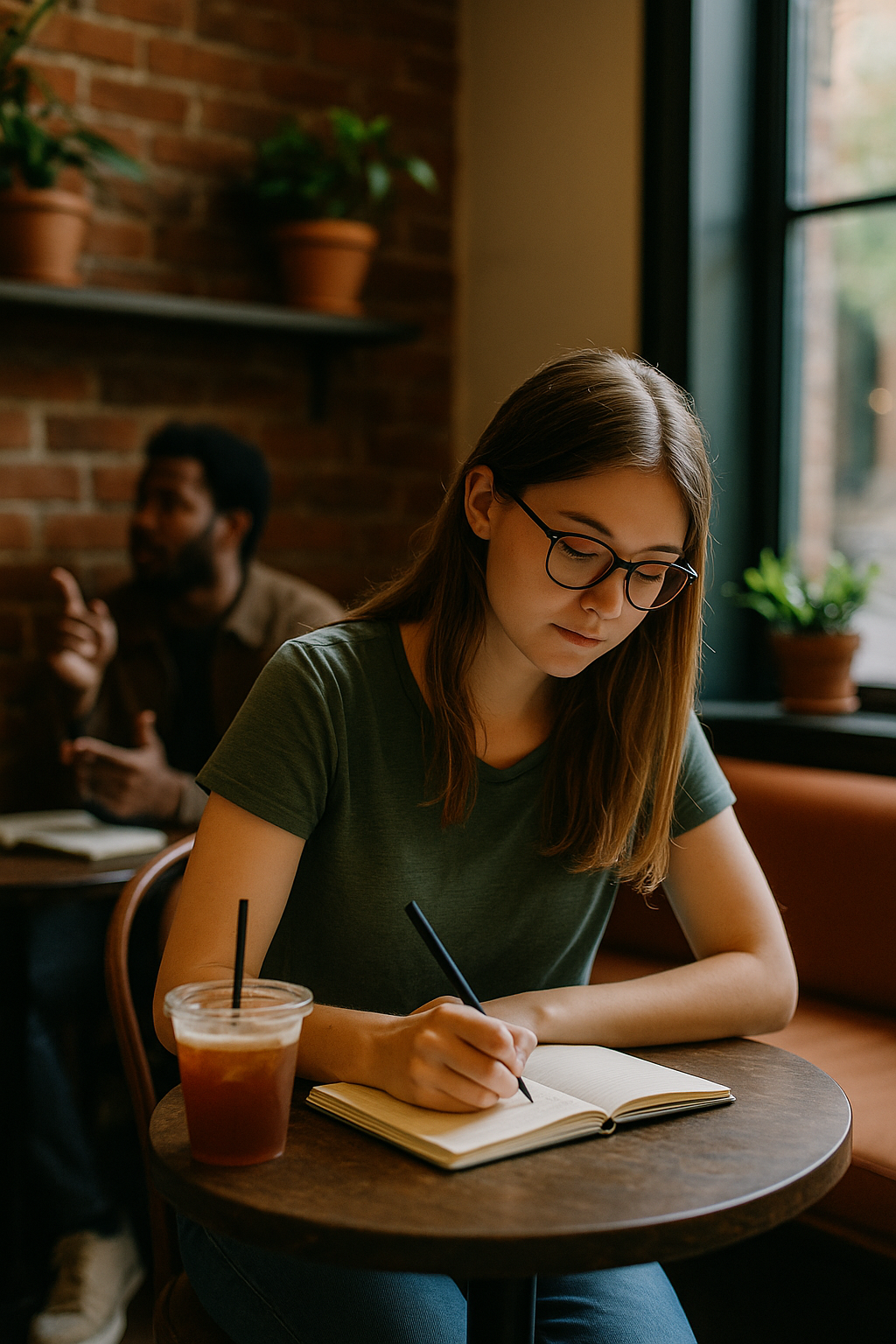
If you’ve ever found yourself sipping a cold brew in a cozy café, half-listening to someone’s screenplay pitch while journaling about your latest identity crisis—congrats. That’s a third space. And lately, more people are seeking them out.

They’re not new. But they are making a quiet comeback as we rethink how and where we feel most human.

## What Is a Third Space?

Sociologist Ray Oldenburg came up with the term “third place” back in 1989. He described it as somewhere that isn’t home (the first place) or work (the second place). It’s where community happens naturally—without pressure or performance.

Think:
- A local coffee shop where no one cares if you stay for hours.
- A library corner that smells like old books and calm.
- A public garden bench that feels like yours after three visits.

These places aren’t about getting things done. They’re about simply being around other people without needing to explain why you're there.

You don’t need an appointment, an outfit change, or even a reason. That’s kind of the point.

## Why Third Spaces Matter More Now Than Ever

Remote work gave us flexibility—but also loneliness.

A 2023 study by [Slack’s Future Forum](https://futureforum.com/pulse-survey/) showed that while remote workers were generally happier with their schedules, over 40% said they felt more isolated since going remote full-time.

Here’s what helps: showing up somewhere outside your house… just because it feels good to be there.

We spend so much time online—scrolling, swiping, working—that real-world interaction now feels rare enough to crave again. Third spaces offer connection without commitment. Some days that's exactly what we need to feel grounded again.

## Signs of the Trend: People Want Offline Places Again

Searches for things like “creative third spaces near me” and “quiet places to read in public” have been climbing steadily all year.

But this isn’t about loving crowds or becoming extroverts overnight—it’s deeper than that:

People want casual environments where they can exist without multitasking.
Places where no one expects output.
Moments when presence is enough on its own.

Some call it romanticizing life again.
Others call it survival from burnout culture.
Either way—it matters more now than ever before.

## What Makes a Great Third Space?

Not every spot qualifies as a true third space—and some try too hard (looking at you $14 toast cafés).

Here are three signs you've found the right kind of place:

1. 🪑 Low barrier entry: Free—or cheap—with come-as-you-are energy.
2. 🤝 Built-in community vibes: Familiar faces or friendly strangers help you feel seen but not overwhelmed.
3. ⏳ No pressure zone: You don’t have to order anything fancy, attend events regularly, or network aggressively just to belong there.

Examples include:
- Libraries with open seating and zero judgment
- Community art rooms filled with shared supplies
- Coffee shops where laptops are welcome but not required
- Parks full of regulars who nod hello—even if you never talk

Sometimes it's less about location and more about how it makes you feel when you're there: unhurried + unbothered = ideal third space vibe ✅

## Where To Find Your Local Third Space IRL

Let’s skip generic advice like "go outside" and get specific instead:

📍 Portland? Check out Taborspace—a church turned gathering hub with yoga classes under stained glass windows and open mics on Thursday nights.

📍 Chicago? Visit Exile in Bookville—a bookstore-meets-vinyl-shop downtown that's fiercely independent and deeply welcoming (plus free readings often).

📍 Asheville? Try Double D's Coffee & Desserts—it operates inside an actual red double-decker bus parked downtown (yes really), offering quirky chaos in the best way possible.


🧠 Pro tip:
Use Google Maps filters like quiet atmosphere + coffee + WiFi—or search terms like “introvert-friendly spots near me.” You’ll find hidden gems fast once you start looking intentionally.


## Can You Create Your Own Micro–Third Space at Home?

Actually—yes.
Not everyone lives near botanical cafes run by improv comedians named Kai—but there's still hope 🙃

Try setting up your own mini-version at home:

🛋️ Simple setup:
1. Pick one chair / window seat / balcony spot
2. No screens allowed unless they're playing music
3. Add something living — plant count = 1 minimum
4. Keep nearby tools for slow-time activities — sketchpad / journal / puzzle book
5. Name it ironically (“The Zen Den”) if needed for motivation

It may sound silly—but physical cues help signal mental shifts from hustle mode into human mode.


## Here’s The Real Reason This Matters…

This trend isn’t really about aesthetics or trendy locations—
It’s about reclaiming physical space in ways digital life can’t replicate anymore.


We need places where:
✅ We can show up alone but still feel part of something
✅ Presence counts more than productivity
✅ Nobody expects us to buy another overpriced latte just for table rights

Because honestly?
Most of us aren’t trying to escape—we’re trying to reconnect… slowly... quietly... authentically.


And maybe healing looks less like self-care rituals marketed on Instagram—and more like reading Joan Didion next to someone painting mushrooms on their water bottle… both existing peacefully side by side without saying much at all.


---

### Quick Recap 💡

❶ Third spaces = hangouts beyond home & work
❷ They reduce isolation & increase real-world connection
❸ You can find them locally—or create micro versions at home
❹ The goal isn't productivity—it’s presence


---

### What About You?

What’s YOUR go-to third space right now?

Tag us @eclecticsilenceblog on Instagram—we’ll share our favorites next week 🌿


---

> Life doesn’t always need another Zoom invite or group chat ping...
> Sometimes all it needs is one quiet corner—and permission *not* to perform anything at all 💭
Why Third Spaces Are the Key to Combating Burnout and Finding Real Connection
Feeling burned out or stuck at home? Discover why “third spaces”—like cozy cafés, quiet parks, and indie bookstores—are making a comeback. It’s not about productivity; it’s about presence. Here’s how to find (or create) your own space to just be.
4–6 minutes

Leave a Reply