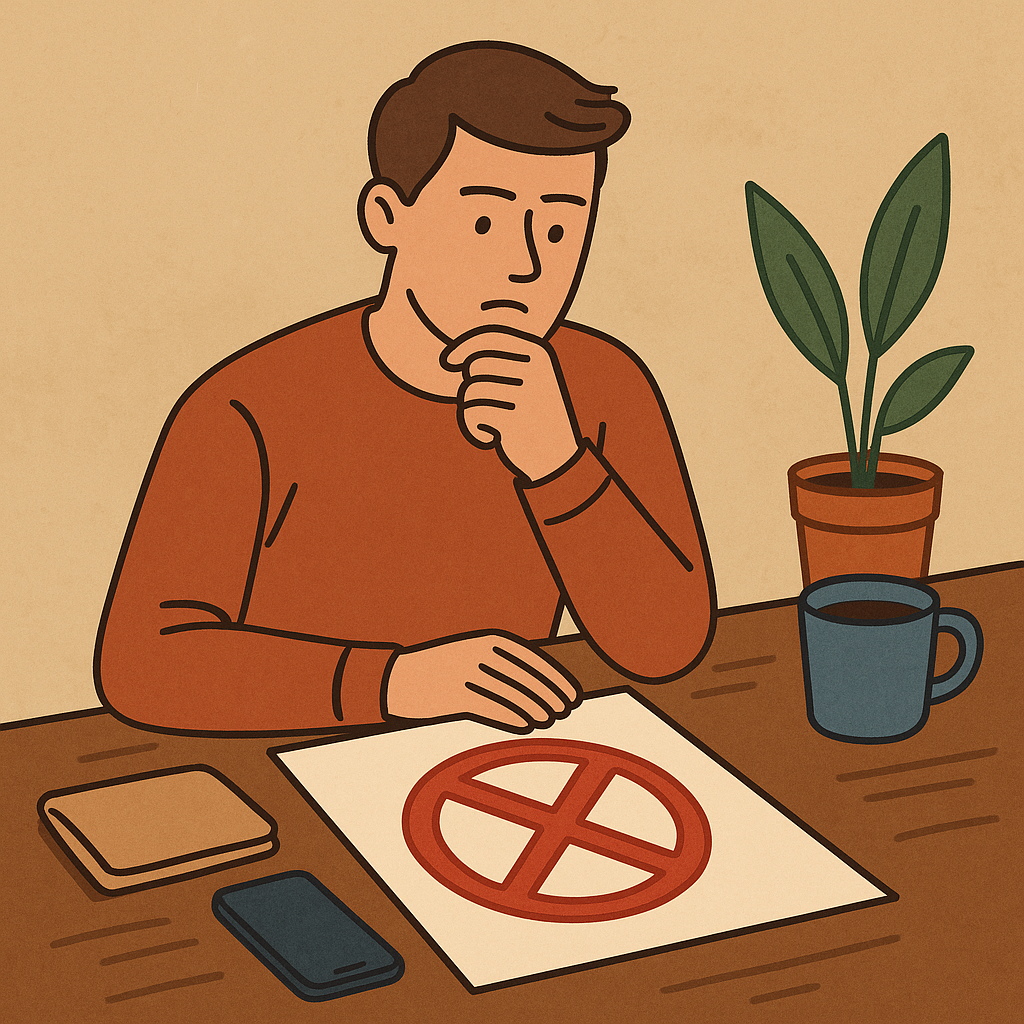
Why Everyone’s Trying a No-Buy Month—and What They Actually Learn From It
It usually starts small.
Maybe it’s 1 a.m. and you're deep in TikTok, watching someone make coffee at home instead of hitting Starbucks. Or maybe you’re on Reddit scrolling through r/frugal, reading about how someone saved $300 just by skipping Amazon for 30 days.
Wherever you found it, the no-buy month challenge is having a real moment right now—and unlike most internet trends that fade in a week (remember butter boards?), this one sticks around.
But what makes people stop spending on purpose for an entire month? And more importantly—what do they actually learn from doing it?
Let’s break down why so many people are trying financial detoxes like no-buy months, and how pressing pause on spending might help you notice more than just your bank balance.
What Is a No-Buy Month?
A no-buy month is exactly what it sounds like: 30 days of avoiding all non-essential purchases.
That includes:
- No retail therapy.
- No takeout just because cooking feels hard.
- No online shopping “just to browse.”
- Nope—not even that cute $12 candle from Target.
Essential expenses—rent or mortgage, groceries (within reason), bills, medications—they still get paid. But the extras? They’re off-limits for 30 days straight.
People set their own rules depending on their lifestyle. Some ban everything but essentials; others allow limited treats or experiences (like one meal out per week). The goal isn’t punishment—it’s awareness.
Why Are So Many People Doing This?
In a world where buying stuff is easier than ever—and often encouraged everywhere we look—it almost feels rebellious to stop spending on purpose. Here’s why more people are giving it a shot:
We’re Burned Out From Constant Buying
After years of impulse shopping during the pandemic and beyond, many of us started asking: “Why do I keep buying things I don’t really need?” According to McKinsey's research on post-pandemic consumer behavior, interest in conscious consumption has grown significantly since 2020 (source).
The idea of stepping back—even temporarily—from constant purchasing gives our brains (and wallets) some breathing room.
It Exposes Emotional Spending Habits
Most of us don’t shop because we need something—we do it because we feel bored…stressed…lonely…or even happy and want to celebrate something good. When those triggers come up during a no-spend period, there’s nowhere to hide behind new sneakers or Amazon Prime packages—you have to deal with the feeling itself instead of covering it up with stuff.
This kind of mindful pause can teach you way more than any budgeting app ever could.
What People Actually Learn During Their No-Buy Month
Sure—saving money is great. But here’s what folks really discover when they commit:
1️⃣ You Notice How Often You Shop Without Thinking
You realize how easy it is to fall into autopilot:
“Oh look! An ad for cozy socks!” → clicks → adds to cart → done ✅
Without realizing it, those tiny moments add up fast—to cluttered closets and drained accounts alike.
During a no-buy month, every purchase becomes intentional—or not made at all—which builds long-term awareness over time.
2️⃣ You Start Using What You Already Own
That unread book suddenly looks interesting again.
Your closet somehow has plenty of outfit options after all.
You remember how fun cooking can be when it's not rushed or pressured by Uber Eats notifications.
No-buy months aren’t about deprivation—they’re about rediscovering value in what you already have.
3️⃣ Your Priorities Get Clearer
When you're not distracted by impulse buys or sale alerts popping up every two seconds—you start paying attention:
What matters?
What do I want my money supporting?
Does owning less actually feel better?
Spoiler: A lot of people say yes.
Want To Try One? Here's How To Make It Work
Jumping straight into “I’ll spend nothing for 30 days” sounds noble—but also unrealistic if you haven’t thought through your plan first. Let’s keep this simple and doable:
✅ Set Rules That Fit Your Life
Make clear guidelines ahead of time:
→ Essentials only = housing / food / meds / bills
→ Optional limits = e.g., max one takeout meal per week
→ Personal exceptions = birthday gifts? Replacing broken items?
Be honest with yourself—it doesn’t have to be extreme; consistency matters more than perfection.
✅ Figure Out Why You Usually Spend Money
Start noticing patterns:
Do you shop online late at night?
Buy snacks when stressed?
Add random stuff while doomscrolling social media?
Once you've spotted those habits—you can interrupt them before they become purchases.
✅ Replace Shopping With Something Else Fun (Or Free)
Spending fills time—but so does creativity once we give ourselves space:
- Take walks outside
- Try new recipes using pantry staples
- Borrow books from the library
- Watch old comfort shows guilt-free
Swapping habits helps prevent boredom-based slips halfway through.
Real Talk: It's About Way More Than Just Saving Cash
Yes—you’ll likely save some money during your no-buy challenge…but that ends up being just part of the story.
The bigger win? Clarity.
Clarity about where your money goes.
Clarity about why certain purchases felt urgent—but weren’t necessary.
Clarity around values—yours—not whatever Instagram tells you should matter today.
Taking control over impulsive spending isn’t boring—it’s empowering.
You might find peace sitting under all that noise created by endless marketing messages telling us “more” will finally make us happy.
TL;DR – Here's What You'll Get From Trying A No-Buy Month
❶ • More savings 💰
❷ • Less clutter 🧺
❸ • Better habits 🧠
❹ • Clearer priorities ❤️
And maybe best of all—proof that you're capable of making thoughtful choices instead of automatic ones.
Even if it's uncomfortable at first—that discomfort teaches something valuable too.
So go ahead: try ghosting Amazon for four weeks. See what happens.
Just don’t be surprised when saving money turns into finding clarity too.
📌 Want To Ease Into It First?
Try these alternatives before jumping into full-on mode:
🔹 A “no-spend weekend” challenge
🔹 Pick ONE category—for example: no beauty products this month
🔹 Try seven days without food delivery
Small steps lead to big shifts.
Ready when you are 🙌
📝 Extra Reading & Inspiration:
➡️ McKinsey – Fashion Consumer Trends & Conscious Spending
➡️ Reddit Thread: r/simpleliving | r/frugal
➡️ Search #nobuymonth on TikTok & Instagram — raw stories + surprisingly inspiring routines
—
💡 Final Thought:
Doing less isn't lazy—it might be exactly what you've been needing.
If life lately has felt noisy…maybe it's time for less buying—and more noticing.
—
👀 SEO Keywords Used Naturally Throughout This Article:
• no buy month challenge
• emotional spending triggers
• minimalist money mindset
• mindful money practices
• financial detox ideas
• intentional spending habits
Written like we're chatting over coffee ☕ —because sometimes clarity starts with closing tabs…and wallets 👛



Leave a Reply