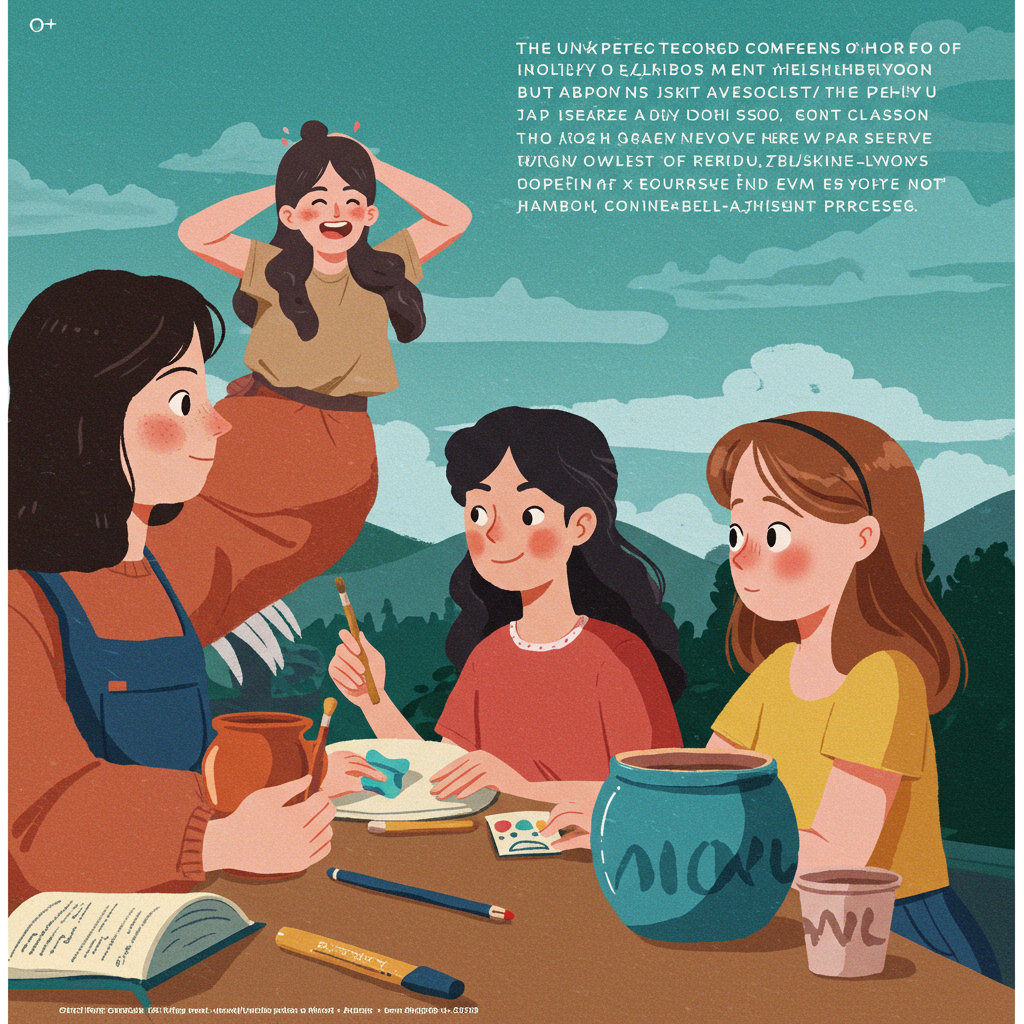
The Unexpected Comfort of Hobby Clubs: Why Adults Are Reclaiming Their Afterschool Joys
Remember when afterschool meant finger painting, dodgeball, or sorting Pokémon cards? You didn’t need a reason to love something—you just did. But somewhere between college applications and endless Zoom calls, we lost that playful part of ourselves.
Here’s the good news: it’s making a comeback.
Adults all over are dusting off old interests—or picking up new ones—and joining hobby clubs that bring back the joy, creativity, and connection many of us have been missing.
Tired of Staring at Screens? So Is Everyone Else
Let’s be honest—watching four episodes in a row doesn’t feel like rest anymore. After years glued to screens for work and entertainment, people are looking for hands-on activities with real people in real spaces.
Take pottery classes. Studios across the U.S. have seen adult enrollment jump 20–30% since before 2020 (source). And it’s not just clay—book swaps are trending again, roller skating crews meet weekly under disco lights, and yes… even mushroom-foraging groups exist (some participants wear cloaks—it’s a thing).
These aren’t passing fads—they’re responses to something deeper: a craving for connection without judgment or pressure.
What Changed?
The pandemic reshaped how we think about community. For years, digital life took over while face-to-face time shrank. Even now, traditional networking events can feel awkward or exhausting—so adults started looking elsewhere.
Hobby clubs became safe spaces where you don’t need small talk skills or business cards—just shared curiosity. Whether you're into improv comedy or building tiny castles out of foam board (yep), these groups offer low-stakes fun that actually feels human again.
Search trends back this up. In 2024 alone:
- “Creative communities near me” is up by 40%.
- “Afterschool activities for adults” has jumped more than 60%.
Turns out being around others who nerd out on what you love—that's the real algorithm we’ve been missing.
It’s Not Just Fun—It Actually Helps Your Brain
This isn’t just about having something to do after work—it goes way deeper than that.
Studies show hobbies help reduce stress and lower anxiety levels (NIH source). They activate parts of your brain linked to reward and motivation—which is why spending two hours painting badly still feels better than another hour scrolling TikTok in bed.
And here’s something freeing: hobby clubs don’t care if you’re good at anything. In fact, they give you permission to be bad at stuff—and enjoy it anyway. That alone can boost confidence more than any productivity hack ever could.
Where Do You Start?
You don’t need special skills or expensive gear—you just need interest (and maybe some curiosity). Here are easy ways to find your crowd:
❶ • Visit Meetup.com – From anime drawing circles to fermentation workshops, it's full of niche stuff run by everyday people.
❷ • Try Bumble BFF – It isn’t only for dating; lots use it now strictly for finding local friends based on shared hobbies.
❸ • Check local libraries & coffee shop notice boards – Old-school flyers often lead to surprising discoveries.
❹ • Explore Reddit subs like r/hobbies or r/findapath – These communities share helpful leads on regional meetups (and most are very welcoming).
Even asking someone at your farmers market what they do outside work might spark an invite into their gardening co-op—or their Dungeons & Dragons campaign (true story).
People Like You Are Already Doing This
Nora from Austin works as a UX designer during the day—but every Tuesday night she does improv with her club downtown. She found it through a flyer inside her laundromat dryer (“It felt slightly sketchy… which made me trust it weirdly more”). Three months later? She says those strangers laugh harder together than anyone else in her life right now.
Then there’s Jamal from Portland who joined roller dance lessons “as kind of a joke.” Now he co-hosts themed skate nights under disco balls with his crew—and half the attendees bring their kids or grandparents because honestly everyone wants in on this vibe lately.
These groups aren’t cliquey scenes—they’re welcoming playgrounds for grown-ups who want some color back in their calendar days (and nights).
Final Thoughts: Bring Back Recess—for Grown-Ups
Reconnecting with childhood passions isn’t regression—it’s rebellion against burnout culture dressed as responsibility. Joining an oddball group might sound cringe… until you realize how much lighter life feels when play becomes part of your week again.
Skating badly is still better than burning out quietly behind another screen tab open next to Slack notifications and unread emails marked "urgent."
So go ahead:
- Paint messily.
- Dance weirdly.
- Learn chess from scratch while laughing over cheap wine poured into mismatched mugs by new friends named Kyle and Priya who used to be strangers three weeks ago but now text daily about upcoming tournaments no one takes seriously except kinda do…
Because nobody cares if you were cool in high school anymore—they just want someone willing to pass them paintbrushes without judgment today.
🧠 Want proof hobbies help your brain? Read this research summary via NIH showing how leisure activities improve mental health outcomes.
Tags:
adult hobby clubs · creative communities near me · afterschool activities for adults · hobby meetups 2025 trends · mental health through hobbies · rediscover passion as an adult



Leave a Reply