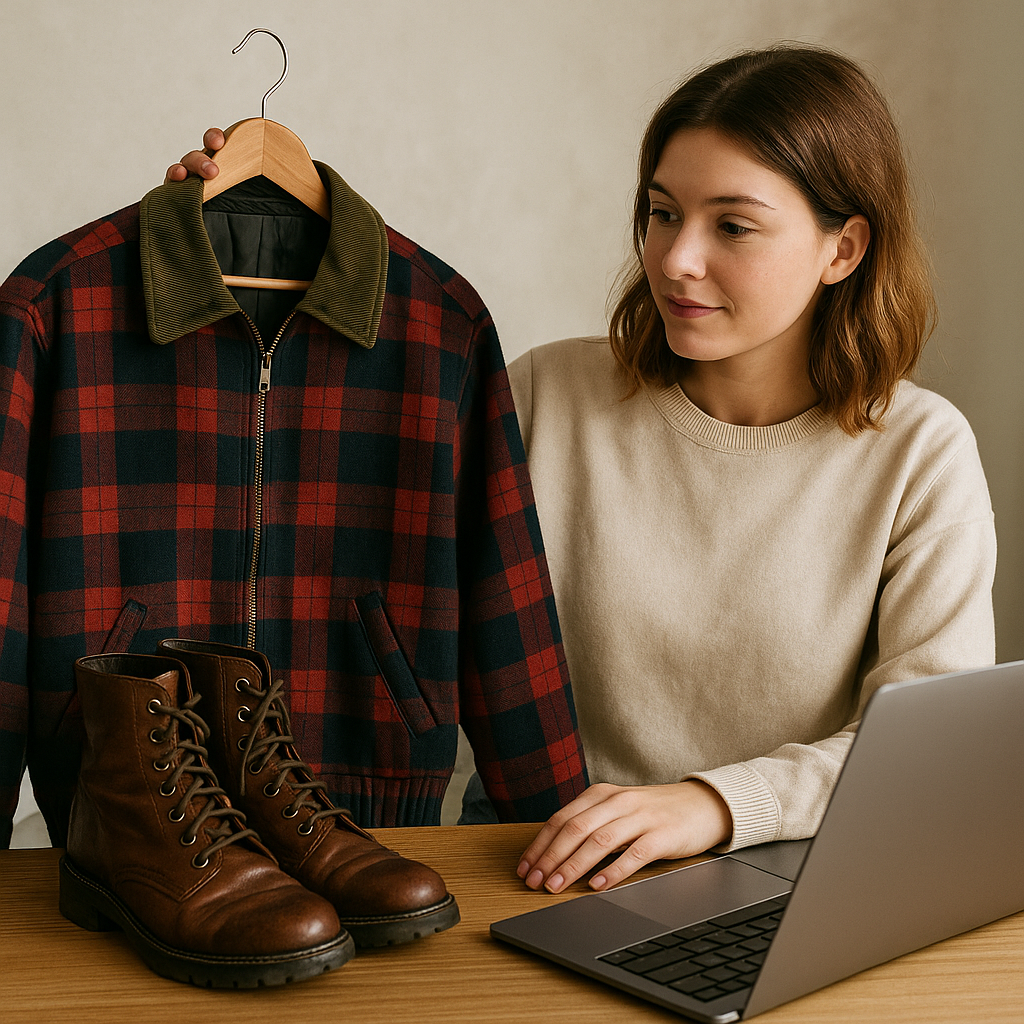
Thrift Flipping for Profit: How to Turn Weekend Finds Into Real Money
Let’s be real: rent’s going up, groceries cost more than ever, and your paycheck might not be stretching the way it used to. But what if that $6 vintage jacket you spotted at Goodwill could help pay next month’s utility bill?
Welcome to thrift flipping—a side hustle where a little style sense and smart shopping can turn secondhand finds into serious cash.
If you’ve ever left a thrift store with more “maybes” than you planned for, congratulations—you’re already halfway there.
What Is Thrift Flipping?
Thrift flipping is simple. You buy secondhand clothes or home goods at low prices (often under $10), then resell them online for a profit. Sometimes you’ll clean or repair the item; sometimes it just needs better photos and keywords.
Think of it as:
- Vintage treasure hunting
- A way to keep clothes out of landfills
- A legit income stream without needing tons of upfront money
Most flippers use apps like Depop, Poshmark, eBay, or Etsy—platforms built around fashion-savvy buyers looking for unique pieces they won’t find in malls.
Why Thrift Flipping Works Right Now
Three big reasons this hustle is heating up:
- 🧵 People are tired of fast fashion.
- 📱 TikTok made secondhand cool again (check #thriftflip—over 1 billion views).
- 💸 Everyone’s looking for affordable ways to make extra money right now.
The U.S. resale apparel market hit $28 billion in 2022—and it's expected to double by 2026 according to Statista. That means more buyers and sellers entering the space every day.
You don’t need a business degree or thousands in inventory—just some curiosity, creativity, and consistency.
Getting Started Without Overthinking It
Here’s how beginners can jump in—with minimal risk but plenty of opportunity:
Step 1: Find Undervalued Items
Start local:
- Small-town thrift stores
- Garage sales
- Estate sale listings on Facebook Marketplace or Craigslist
Look through racks others skip—like kids' sections (hello mini Carhartts), men’s outerwear (which often fits oversized trends), or accessories bins hiding vintage Coach bags under scarves from 2004.
Go early if possible—the best stuff usually disappears before noon on weekends.
Step 2: Know What Actually Sells
Not everything old is valuable—but certain categories consistently get attention online:
| Item Type | Best Platform | Potential Profit |
|---|---|---|
| Vintage Levi's | Depop / eBay | Up to $100 |
| '90s Graphic Tees | Grailed / Etsy | Varies |
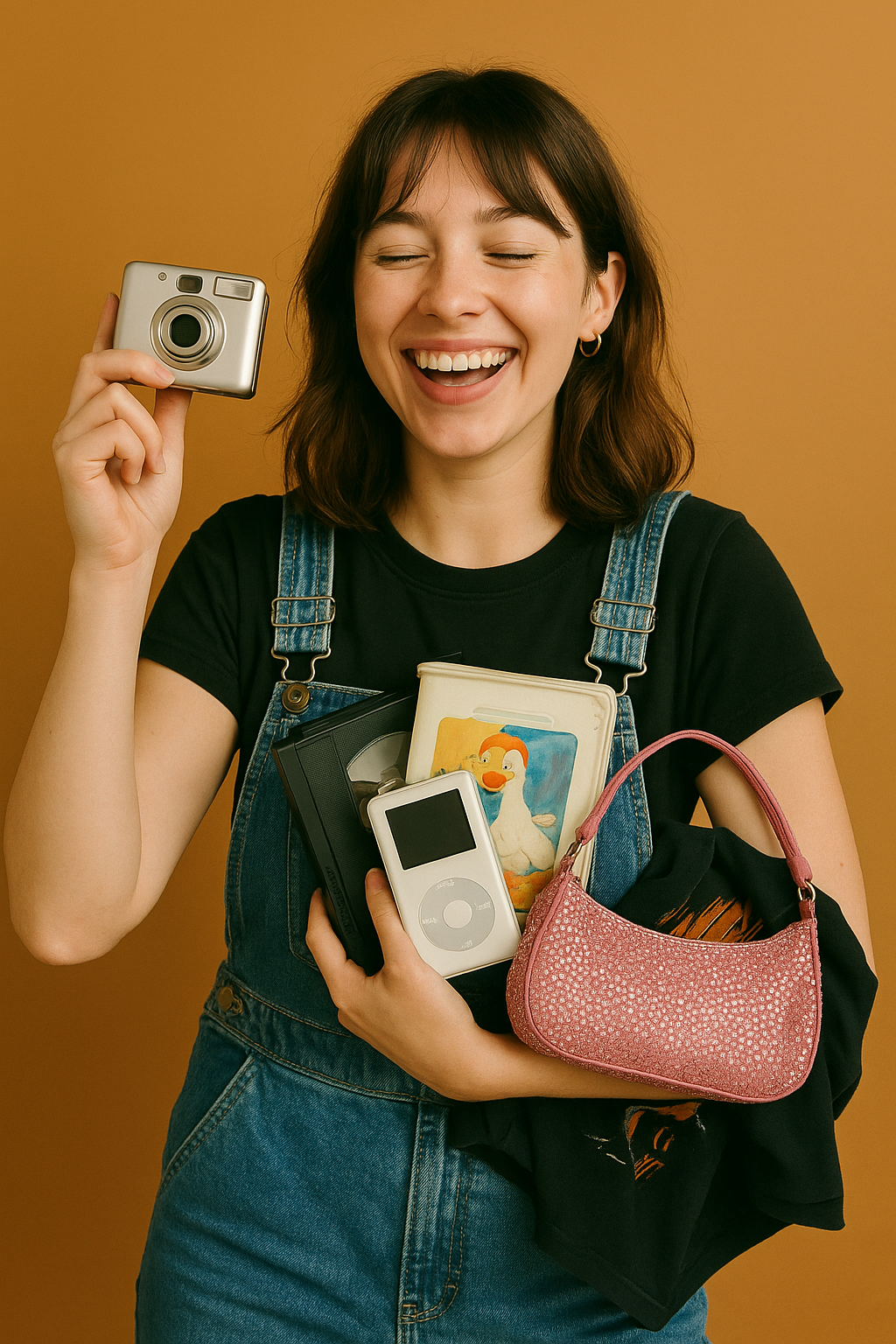
| Y2K Shoulder Bags | Poshmark / Etsy | Up to $80 |
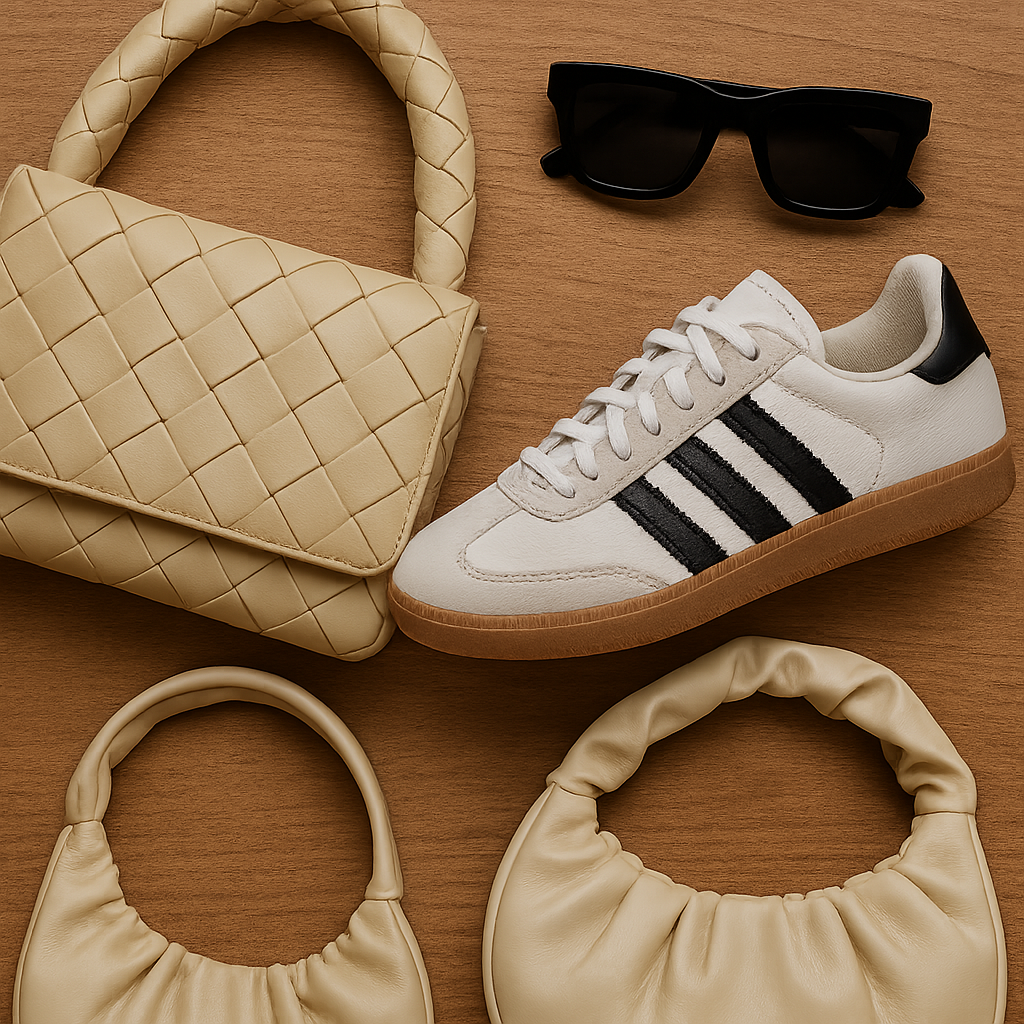
| Designer Sneakers | StockX / GOAT | Very High |
Unsure about an item? Use Google Lens—it can reverse-image search tags/logos so you can compare prices instantly while still in the store aisle.
Make It Look Good = Sell It Faster
Once you've got your items home, treat them like they're going on their first date 💅🏼:
✅ Clean gently
✅ Remove lint/pet hair
✅ Steam out wrinkles
✅ Photograph using natural light against simple backgrounds
Modeling the pieces yourself gives buyers context—but flat lays work too if styled thoughtfully (add shoes/jewelry/props). Apps like Snapseed or Lightroom Mobile help color-correct without overdoing it.
Tell people exactly what they’re buying:
“Vintage Ralph Lauren cable knit sweater – tag says L but fits more like M – very soft cotton blend with one small snag near hem.”
Honesty builds trust—and repeat customers 👀
Best Places To Sell Your Flips Online
Each platform has its pros depending on what you're selling:
🛍️ Poshmark – Easy shipping process + friendly community feel
📸 Depop – Popular among Gen Z & fans of curated looks/trends
💻 eBay – Ideal for rare finds + global reach (but watch seller fees)
🎨 Etsy – Great place if you're reworking/upcycling items
Pro tip: Crosslist your items using tools like Vendoo or List Perfectly so one listing reaches multiple platforms automatically—it saves time and increases visibility fast 🚀
Keywords matter too! Don’t just write “Cute top.” Try something like:
“Y2K mesh butterfly tank • stretchy sheer baby tee • size XS/S”
Longer descriptions help people find your listing when searching specific styles—or even when shopping by era (“’90s rave wear”).
Can You Actually Pay Bills With This?
Short answer: Yes—for many sellers, this covers monthly expenses.
Longer answer: Like any side hustle, results depend on effort and consistency… but here’s an actual example from my last weekend run:
🛒 Bought:
- Doc Martens boots ($10)
- Tommy Hilfiger windbreaker ($8)
- Vintage chunky knit sweater ($6)
Sold within six days via Poshmark & Depop:
➡️ Docs – Sold $85
➡️ Windbreaker – Sold $55
➡️ Sweater – Sold $45
After platform fees/shipping costs? About ~$120 profit from three flips—all done between errands and iced coffee breaks ☕💼
Scale that up across five weekends per month? You could cover rent—or at least all those sneaky subscription renewals 🙃
Tools That Help Without Making Life Complicated
Don’t overthink systems until you're making consistent sales—but these tools make things easier from day one:
🔎 Google Lens — Spot brand logos/tags instantly while sourcing
📷 Snapseed — Edit product photos quickly with pro results
📦 Pirate Ship — Get cheaper shipping rates outside major apps
Bonus tip: If you start selling high-end brands regularly (Gucci/Dior/etc.), consider getting authentication via services like Entrupy—it helps build buyer trust fast 🔐✨
It also protects you from chargebacks due to authenticity questions later down the line!
Advice From Actual Sellers Who Walk The Talk 🔁💬👕
"Always check inside handbags—I once found a Kate Spade dust bag folded underneath an old makeup pouch." — @flipsbykayla via TikTok
"Men's jackets sell faster than you'd think—and they fit great cropped!" — Jess M., full-time seller based in Austin TX
"I lost money on my first flip…and learned more that week than I did watching hours of reseller videos." — Me 😅
Mistakes happen early—that's normal! The trick is learning quickly without burning out trying to chase perfection every listing 🤝🏽🚫🔥
Final Takeaway 🧥📦💰
Thrift flipping isn’t magic—it takes effort, trial-and-error…and good lighting 😅 But it works because people want unique clothes that tell stories—and they’d rather support real humans than giant corporations pushing disposable trends every week.
So whether it's brunch money or backup rent funds—you really can turn thrifting into income worth bragging about ✨
Next time you walk into a half-empty Salvation Army shop? Don’t see clutter—see potential.
You might not find gold every trip… but when you do?
It pays off—in dollars AND dopamine.
Related Reads You Might Like:
👉 How Gen Z Is Changing Resale Culture Through Side Hustles
👉 Beginner Guide To Selling On Poshmark Without Losing Your Mind
Let me know👇🏽 Have YOU tried flipping yet? What's been your best score so far?
Or still thinking about jumping in?
Drop questions—I read them all.

Leave a Reply