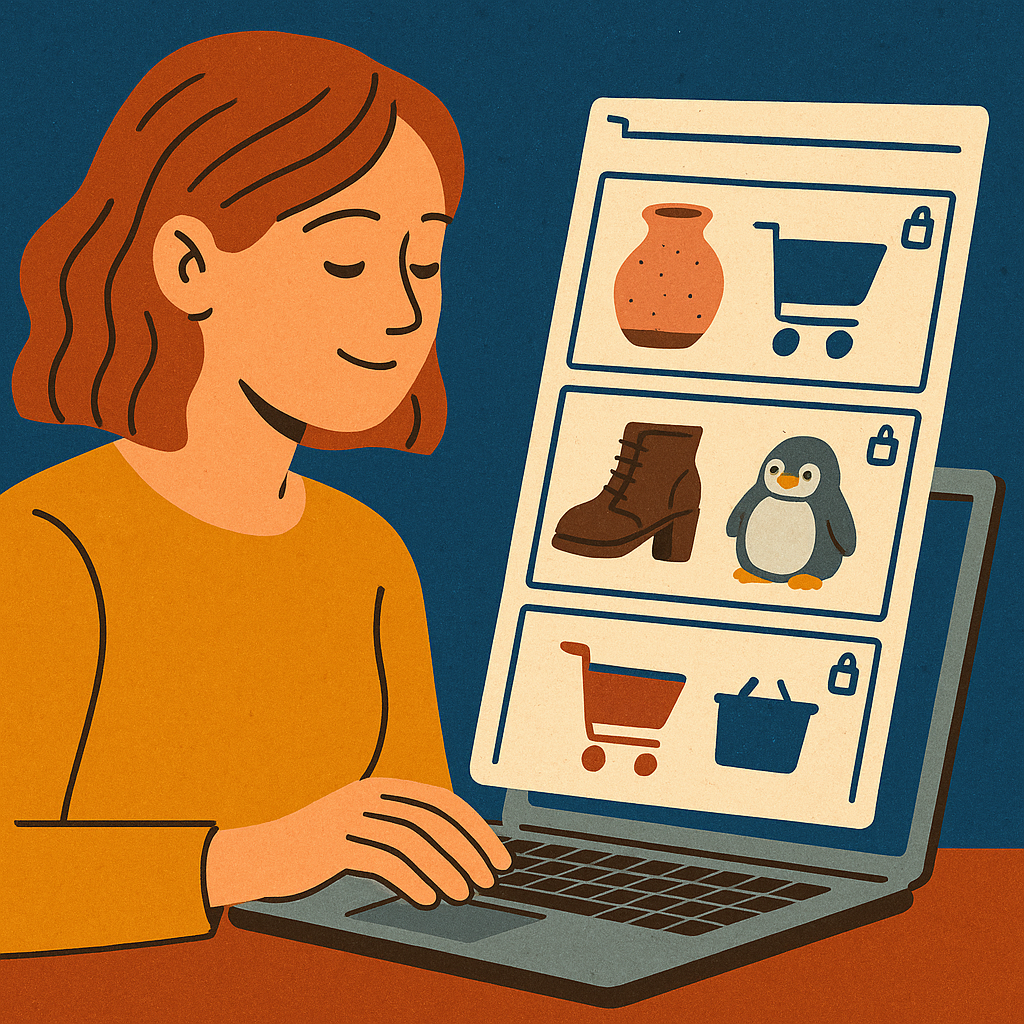
Lost in the Cart: Why Online Window Shopping Feels Weirdly Good
You open your laptop for a quick break. Twenty minutes later, your shopping cart is filled with $300 worth of stuff you don’t need—a handmade ceramic vase, a pair of boots that scream “I go to art openings,” and some oddly specific kitchen gadget (looking at you, penguin-shaped ice cream maker). You’re not buying any of it.
So why does it feel… kind of great?
Let’s talk about the surprisingly therapeutic world of online window shopping—and why your abandoned cart might be doing more than just collecting digital dust.
🛍️ Add-to-Cart Culture: Where Browsing Is the New Buying
We’ve turned “add to cart” into a ritual. It’s not always about spending money—sometimes it's about imagining who we could be. A version of ourselves that makes sourdough on weekends or wears tailored linen sets to brunch.
And we’re all doing it. According to Baymard Institute, over 70% of online carts are never checked out (source). That’s millions of us curating wishlists we'll never buy.
We're treating shopping like Pinterest—with checkout buttons.
🧠 The Brain Loves This Stuff—Even Without Buying
Here’s what’s happening behind the scenes: when you browse or add something to your cart—even if you don’t hit “buy”—your brain releases dopamine. That little buzz? It’s real.
Think of it as mini-rewards for daydreaming: What would life look like with that velvet couch? Would I become someone who throws dinner parties if I had those gold-rimmed plates?
It taps into imagination, identity, even comfort—all without opening your wallet (unless…you do).
👀 Which Type of Online Shopper Are You?
Everyone has their own flavor when it comes to e-comm window shopping. Recognize yourself in one (or all) of these?
-
✨ The Dream Decorator
Fills up carts at West Elm but still eating takeout cross-legged on the floor. -
🔦 The Apocalypse Prepper
Has LED lanterns and freeze-dried meals in their Amazon wishlist—just in case. -
👠 The Glam Phantom
Adds stilettos and sequin dresses weekly but hasn’t left sweatpants since 2020. -
🍳 The Domestic God/dess
Obsesses over air fryers while using Uber Eats four nights a week.
These aren’t bad habits—they’re tiny expressions of mood & identity through imagined purchases.
💆♀️ Is Cart Abandonment Actually Self-Care?
Honestly… maybe yes? Psychologists say this kind of low-stakes fantasy can help regulate emotions during stress or burnout. Kind of like daydreaming—but in product form (source).
It gives us:
- A sense of control (“I could buy this.”)
- Emotional relief (“This feels better than doomscrolling.”)
- Playful curiosity (“What if I was that person?”)
As long as you're not racking up credit card debt on niche pasta makers, browsing can actually be soothing—not reckless.
✅ Want vs Buy: Finding Your Balance
There’s nothing wrong with loading up an imaginary Target haul—it only gets tricky when casual clicks turn into impulse buys you regret by morning (hello $97 worth of skincare samples).
Here are five ways to make peace with your inner shopper:
1️⃣ Use Carts Like Mood Boards → Treat them as spaces for creative self-expression. No pressure to check out.
2️⃣ Wait 24 Hours Before Buying → If you still want it tomorrow, maybe it's worth it today.
3️⃣ Set Price Alerts → If you're serious about something big-ticket, let the internet work for you.
4️⃣ Track What Shows Up Often → Repeated items reveal patterns—and personal priorities too.
5️⃣ Enjoy Without Guilt → Not everything has to end in purchase; sometimes wanting is enough.
You don’t need those shoes right now—but knowing they exist gives future-you options…and present-you a little joy boost 💥
🤔 So Why Does This All Feel So… Human?
Because deep down, online shopping isn’t just commerce anymore—it’s storytelling.
Each item we click on hints at possibility:
→ Could this jacket make me bolder?
→ Would my home feel calmer with this lamp?
→ Am I finally ready for adult cookware?
We chase versions of ourselves one tab at a time—no checkout required.
And sure, sometimes things do end up arriving two days later via Prime…but often they stay right where they started—in our imaginations (and abandoned carts).
And honestly? That might be good enough.
Final Thought:
Your full Urban Outfitters cart doesn’t mean you're indecisive—it means you're exploring versions of yourself through objects and aesthetics—and there’s something quietly powerful about that practice when done mindfully and guilt-free 🙌
So keep clicking around.
Keep dreaming.
Just maybe skip the penguin ice cream machine unless you're really committed 🐧🍨
Keywords:
online window shopping psychology • add-to-cart behavior • abandoned carts statistics • dopamine from shopping • emotional self-care retail therapy • mindful consumerism tips • why people abandon online carts • ecommerce browsing habits




Leave a Reply