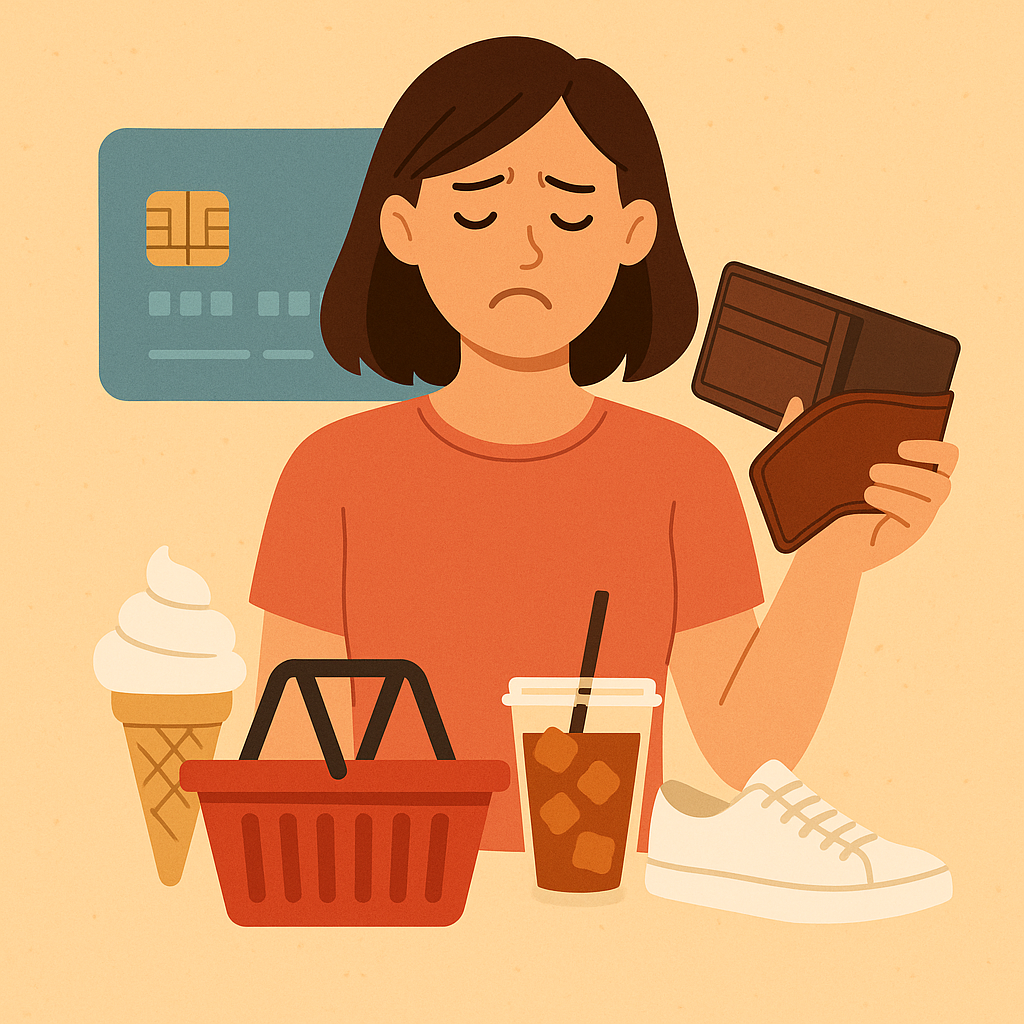
Why Everyone’s Doing a Wallet Detox This Summer: The No-Buy Month Trend
Ever looked at your bank account and thought, “Where did it all go?”
It usually starts small—a few Amazon impulse buys, too many iced lattes, or another pair of sneakers you swear you needed. Before long, you're dodging credit card notifications and wondering how you're supposed to afford groceries and still have a life.
If this sounds familiar, you’re not alone—and that’s exactly why more people are hitting pause on spending with something called a no-buy month. It’s simple, flexible, and surprisingly effective.
Let’s break it down.
What Is a No-Buy Month?
A no-buy month (aka wallet detox or no-spend challenge) is 30 days where you commit to buying only essentials—things like rent, food, gas, and medicine. Everything else? Off-limits.
You can think of it as giving your spending habits a reset—not forever—but just long enough to notice what you've been buying out of habit rather than actual need.
The beauty? You set the rules based on your lifestyle. Some people ditch all non-essentials cold turkey. Others focus on cutting one habit (looking at you late-night takeout orders).
Either way—it puts intention back into every purchase.
So… Why Now?
Summer doesn’t seem like the ideal time to cut back—beaches! barbecues! brunches!
But here’s the thing: inflation is still high. Credit card debt is rising fast in 2024 (source), and people are feeling stretched thin—even when they earn well.
Add in vacation planning stress? It's the perfect moment for a financial breather before things spiral further by fall.
And yes—TikTokers aren’t just talking about it—they're posting savings wins weekly under tags like #NoBuyMonthChallenge and #WalletDetox2024.
How People Are Making It Work Without Going Nuts
Going an entire month without “fun money” might sound rough—but most folks who try it say it's more freeing than frustrating once they get started.
Here are some ways real people stick with their no-spend goals:
❶ Set simple rules up front
Decide what's essential vs optional before Day 1 hits. Groceries = yes. Target runs for seasonal candles = nope (for now).
❷ Use low-stress tracking tools
Apps like Notion or even printed checklists help keep track without making it feel like homework.
❸ Join others doing the same
Subreddits like r/frugal have threads where users share daily wins—and vent about temptations too (#solidarity).
❹ Reflect each week
Many journal how they're feeling mentally—not just financially—to stay motivated through boredom triggers or spending FOMO moments.
—
Real Talk: What Counts As "Essential"?
This part trips folks up because “essential” means different things depending on who you ask—and that’s okay as long as you're honest with yourself.
Here are some commonly debated items during a no-buy month:
| Item | Is It Essential? | Notes |
|---|---|---|
| Streaming services | Maybe | Some cancel them temporarily; others budget them in for sanity |
| Eating out | Usually not | Try home-cooked meals or meal preps instead—bonus points if it's social |
| Skincare & makeup | Depends | If you're out of basics (moisturizer counts), fine—but maybe skip new launches |
| Pet grooming | Sometimes | DIY options can save cash for one cycle |
The key isn’t perfection—it’s clarity. Write down what fits your version of essential so there’s less gray area mid-month when temptation hits hard after work on Friday night.
Does It Actually Save Money?
Short answer: Yes—for most people who stick with it even halfway seriously.
People report saving anywhere from $200–$1,500 depending on how spendy their regular habits were beforehand. But beyond saving cash—the biggest win tends to be awareness:
🧠 You start noticing emotional triggers behind purchases (boredom scrolling is real).
💡 You realize how much stuff ends up unused—or forgotten—in drawers or closets months later.
Psychologist Dr. April Benson has studied compulsive buying behavior extensively (read more here). She notes that emotional regulation plays a big role in overspending—and taking breaks helps interrupt those patterns early before they snowball into debt cycles.
—
Who Should Try This?
If any of these hit close to home—you’ll probably benefit:
✅ Your credit card balances climb faster than your income
✅ You're always surprised by your monthly totals—even when nothing major happened
✅ You want better money habits but hate budgeting apps that make everything feel robotic
Think of this as spring cleaning for your bank account—with fewer spreadsheets involved.
—
Tips To Make Your First Wallet Detox Easier
These small tweaks can help make your first attempt smoother:
✔ Start with two weeks if 30 days feels overwhelming
✔ Plan free activities ahead so boredom doesn’t lead straight to shopping apps
✔ Tell friends what you're doing—they may even join in
And remember: slip-ups happen! That latte on Day 9 won’t ruin everything unless you let guilt turn into surrender mode (“well I already messed up…”). Pick back up where you left off—that's progress too.
—
Final Thought: Empty Cart ≠ Empty Life
Taking a break from spending isn’t about depriving yourself—it’s about becoming mindful again after years of marketing noise telling us we need more everything-all-the-time-right-now-or-you’ll-miss-out™️
Trying this challenge might surprise you—not just by what stays in your wallet but by what shifts emotionally too:
• More space between emotion → purchase
• Less clutter around the house
• A greater sense of control over choices—even outside finances
So whether July becomes full-on frugality mode—or just two weeks without ordering Uber Eats after midnight—you’ve already taken step one by thinking differently about money today.
🔑 SEO Keywords:
- no-buy month challenge
- wallet detox ideas
- financial reset summer 2024
- mindful spending tips
- stop impulsive shopping
- save money fast tricks
Your turn: Will this be the summer your cart finally stays empty—and stress levels drop right along with it?



Leave a Reply