Tech Tattoos: The Future of Wearable Tech Is Skin Deep
Forget bulky smartwatches or fitness bands that clash with your outfit. There’s a new trend in wearable tech that’s sleek, subtle, and literally sticks to your skin—tech tattoos.
These aren’t just cool-looking stickers. They’re functional, flexible, and changing the way we think about health tracking, gesture control, and even personal expression. Here’s what digital tattoos are really about—and why people are talking.
What Are Tech Tattoos?
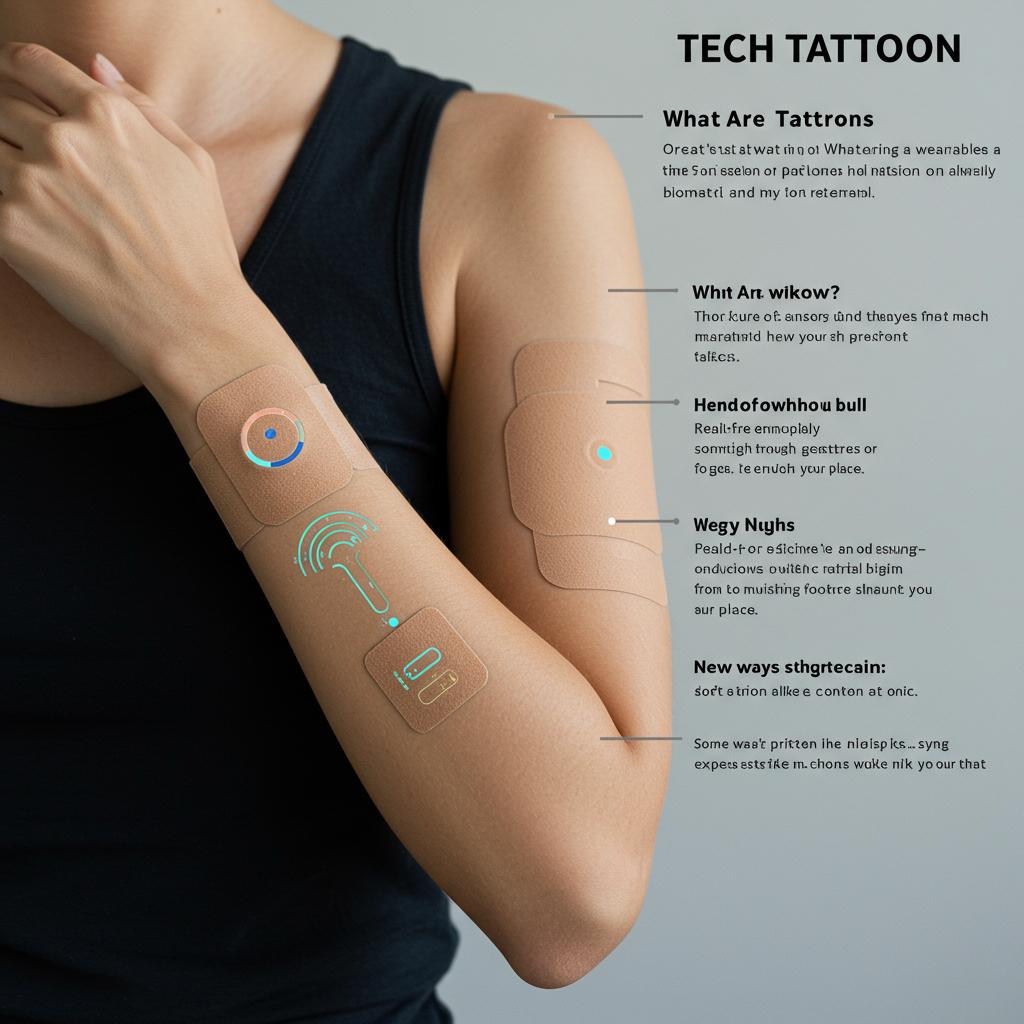
Tech tattoos—also called electronic skin wearables or biometric tattoos—are ultra-thin patches with tiny sensors and circuits built in. They go on like temporary tattoos but behave more like mini computers.
🩹 Think of them as high-tech Band-Aids:
They stretch with your skin.
They monitor your body in real time.
Some even light up or change color depending on what they detect.
You can wear one to track hydration during a morning run—or use another to control music with finger taps instead of reaching for your phone.
These devices blend science, design, and fashion into something you can actually wear without looking like a cyborg from the future (unless you're into that).
Why Now? What’s Driving the Trend
Wearable tech has been around for years—but most of it lives on wrists or clipped onto clothing. The problem? It gets in the way—or worse—it looks out of place.
Tech tattoos offer something different:
- ✅ Lightweight
- ✅ Nearly invisible
- ✅ Easy to apply
- ✅ Comfortable enough to forget you're wearing them
And because they're printed using conductive ink or soft electronics, they move naturally with your body.
Here are a few reasons they're gaining traction:
🧠 Health data without bulk
🎮 Hands-free control through gestures
🌞 Real-time feedback from UV levels to hydration status
✨ New ways to express style + function at once
So yes—it’s part fashion statement, part science lab… all stuck right onto your arm (or chest…or wrist… wherever you want).
Who's Already Using Them?
Big brands and research labs alike have jumped into the game—some products are already available while others are still being tested behind closed doors.
Here are some worth knowing:
🟢 LogicInk – Their UV-sensitive “tattoo” changes color based on sun exposure so you know when it’s time for sunscreen (no app needed).
🔵 MIT Media Lab + Microsoft Research – Together they created DuoSkin: gold-leaf designs that let users swipe their tattoo like a touchscreen controller.
🟣 MC10 – This company developed stretchable patches used by athletes and doctors alike—to track movement without clunky gear.
🔴 Chaotic Moon Studios – Their prototype monitors heart rate and other metrics via conductive ink directly applied onto skin—a potential lifesaver for soldiers or emergency responders down the road.
These aren't just gimmicks—they're working tools disguised as art.
Style Meets Science
Let’s be honest—most fitness trackers aren’t exactly cute. That black plastic band might count steps well… but it won’t win any style awards at dinner parties.
That’s where smart tattoo technology stands out. Some feature metallic designs that look more jewelry than medical device; others take inspiration from tribal patterns or futuristic prints you'd see in movies like Black Panther.
Not only do they work—they look good doing it:
✔️ Minimalist patterns for everyday wear
✔️ Bright glowing circuits for events (yes—even clubs)
✔️ Customizable options coming soon too
It turns self-expression into something interactive—not just decorative ink but responsive digital art that reacts when you move or feel certain things internally (like stress).
So What Can These Tattoos Actually Do Today?
This isn’t hypothetical anymore—we’re past prototypes in many cases:
✅ Track hydration levels after workouts
✅ Monitor heart rate during sleep cycles
✅ Warn if you've been exposed to too much sun today
✅ Control music playback by tapping specific spots
✅ Glow when near someone else wearing a paired tattoo
It sounds futuristic—but these features exist now thanks to advances in materials science and microelectronics over the last decade.
And if you're wondering how long they last—the answer varies:
⏱ Some last 24–48 hours (think event-based use)
📆 Others stretch up to two weeks before needing replacement
Either way—you get functionality without commitment (unlike permanent ink!).
What Could Come Next?
Honestly? A lot more than we probably expect right now.
Here are some ideas researchers—and designers—are already exploring:
☑️ Blood alcohol-level detection via chemical sensing inks
☑️ Emotion-responsive visuals based on cortisol levels (= mood rings leveled up)
☑️ Couples' connected tattoos that pulse when close together
☑️ Live performance stats displayed directly on an athlete's arm mid-game
None of this is sci-fi anymore—it just needs refining before mass rollout hits shelves everywhere from Target aisles to hospital supply chains.
Are These Just Hype?
Not entirely—and definitely not anymore than smartwatches were ten years ago.
Yes, some versions lean novelty-first (LED emoji tats, anyone?)…
But beneath those flashy applications is serious science aimed at solving real problems—from chronic disease management all the way down to daily wellness monitoring done discreetly without disrupting routines—or outfits 👀
A recent Wired article highlighted how temporary e-skin could become standard across industries within five years—from military operations requiring low-profile vitals monitoring—to astronauts prepping bodies under extreme pressure conditions pre-launch 🚀
In short: this isn't just fun tech—it could reshape healthcare delivery worldwide too 📊
TL;DR — Your Skin Might Be Smarter Than You Think
Digital tattoos aren’t stuck in labs anymore—they’re here now:
✔ Smart enough for hospitals
✔ Stylish enough for Instagram selfies
✔ Subtle enough not to freak out grandma at brunch 😅
Whether you care about better health data—or hands-free controls—or simply want body art with purpose beyond aesthetics…
Smart tattoo tech gives us new ways to live inside our technology instead of just carrying it around 💡👋🏼
So yeah—you might not need one today… but give it six months 👀 Someone will show up at yoga class rocking one—and you'll want answers fast ⚡
—
Keywords Used:
digital tattoos · electronic skin wearables · smart tattoo tech · biometric tattoos 2025 · wearable sensors skincare · future of wearables · e-skin technology · next-gen health tracking



Leave a Reply