Sustainable Living Tips for Small Spaces
In an era where climate change and environmental degradation are pressing concerns, many individuals seek ways to adopt a more sustainable lifestyle. However, living in small spaces—such as apartments or tiny homes—can pose unique challenges when it comes to sustainability. Fortunately, with some creativity and awareness, you can implement eco-friendly practices that fit seamlessly into your minimalist lifestyle. Here are practical solutions for sustainable living in small spaces.
1. Embrace Minimalism
Adopting a minimalist lifestyle is one of the most effective strategies for sustainable living in small spaces. By reducing clutter and focusing on quality over quantity, you not only create a more serene environment but also minimize waste. Start by decluttering your belongings: donate or recycle items that you no longer use or need. This practice frees up space and reduces the demand for new products.
2. Urban Gardening
Urban gardening is an excellent way to cultivate fresh produce right from your home while minimizing your carbon footprint. If you're short on outdoor space, consider using vertical gardens or container gardening techniques:
- Vertical Gardens: Use wall-mounted planters or hanging pots to grow herbs and vegetables.
- Container Gardening: Utilize balcony railings or window sills with pots to grow easy-to-maintain plants like tomatoes, peppers, or herbs.
By growing your own food, you reduce reliance on store-bought produce that often comes with excessive packaging.
3. Energy-Efficient Home Ideas
Making energy-efficient adjustments in your home can lead to significant savings and contribute to sustainable living:
- LED Lighting: Replace incandescent bulbs with LED lights that use up to 80% less energy.
- Smart Power Strips: These devices cut off power when electronics go into standby mode, helping reduce phantom energy usage.
- Natural Light: Maximize natural light by keeping windows unobstructed and using lighter shades on curtains.
These simple changes lower both electricity bills and environmental impact.
4. Zero Waste Strategies
The zero-waste movement encourages individuals to minimize their waste production through conscious consumption choices:
- Bulk Buying: Purchase groceries in bulk using reusable containers instead of single-use plastic bags.
- Reusable Products: Invest in high-quality reusable items such as water bottles, shopping bags, straws, and coffee cups.
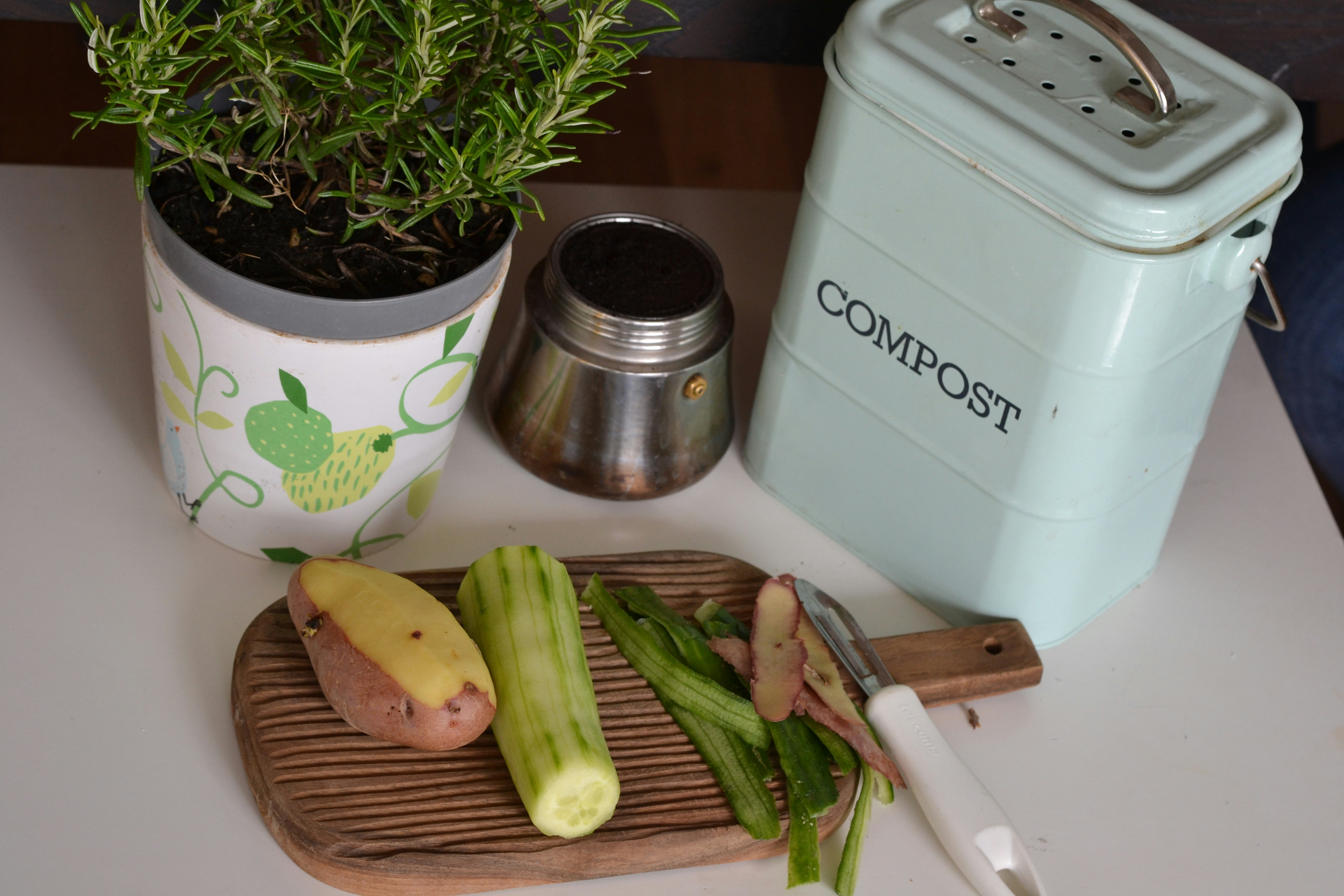
- Composting: Even small spaces can accommodate composting! Consider indoor compost bins designed specifically for apartments.
Implementing these zero-waste strategies helps reduce landfill contributions while promoting responsible consumption habits.
5. Eco-Friendly Cleaning Solutions
Many traditional cleaning products contain harmful chemicals detrimental both to the environment and indoor air quality. Opt for eco-friendly alternatives:
- DIY Cleaners: Create homemade cleaning solutions using vinegar, baking soda, lemon juice, and essential oils.
- Natural Products: Look for brands prioritizing environmentally friendly ingredients and biodegradable packaging.
By making this switch, you improve the health of both yourself and the planet without sacrificing cleanliness!
Conclusion
Sustainable living doesn't have to be out of reach just because you're working within limited square footage. By embracing minimalism; engaging in urban gardening; implementing energy-efficient ideas; adopting zero-waste strategies; and choosing eco-friendly cleaning products—you can make significant strides toward a more sustainable lifestyle even in small spaces.
For more information on how to live sustainably regardless of space constraints visit Earth911, which provides numerous resources dedicated to green living practices tailored for various lifestyles.
Start today—every little effort counts toward creating a healthier planet!
Check out more articles here.




Leave a Reply