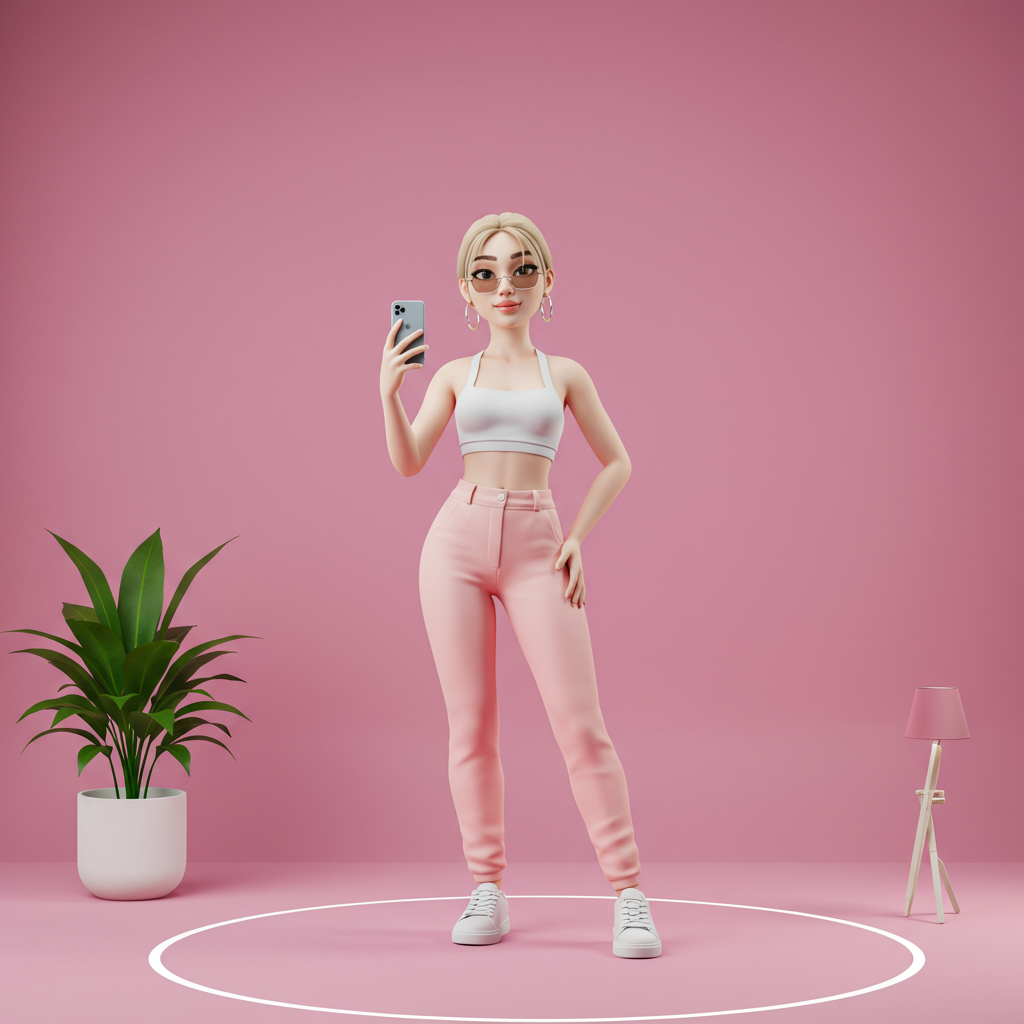
What’s the Deal With Digital Fashion? Inside the Virtual Closet Craze You Didn’t Know You Needed
Remember when “What are you wearing?” was something you heard on red carpets or awkward first dates?
Now, it’s a question being asked in the metaverse—where your digital avatar might actually be dressed better than you are in real life.
Welcome to 2025. Digital fashion isn’t just a trend anymore—it’s changing how we express ourselves online, how we shop, and even how we think about sustainability. It’s part social flex, part creative outlet, and surprisingly practical if you're spending more time in virtual spaces.
Let’s break down what digital clothing is all about—and why people are paying real cash for clothes they can’t physically wear.
Why Are People Spending Real Money on Digital Clothes?
Short answer: status, creativity, and sustainability.
In 2024 alone, consumers spent over $12 million on digital-only outfits according to Vogue Business. That includes everything from Instagram-ready filters to designer NFT wearables.
Here’s why it makes sense:
- 📸 Social media clout: AR outfits help creators stand out without needing to buy fast fashion IRL.
- 🌱 Sustainability: No fabric waste means no landfill guilt.
- 🎨 Creative freedom: Designers can experiment with wild concepts that don’t need sewing machines—just software.
Think of it like makeup for your photos—or skins for your character in a video game—but now applied to your entire wardrobe across platforms like Roblox or Meta Horizon Worlds.
How Virtual Dressing Rooms Work (and Actually Look Cool)
Trying on clothes has come a long way since those cramped fitting rooms with bad lighting.
Now apps use augmented reality (AR) and artificial intelligence (AI) so you can try on virtual clothes through your phone camera. Tools like Zero10 let you swipe through styles and instantly see them fit over your body with shockingly realistic results—textures move naturally as you do, lighting adjusts based on where you're standing, and some even let you tweak colors or fit before "buying."
And yes—you sometimes get both versions: one physical item + its matching pixel twin for use online. Double the look; zero laundry required.
The Apps Powering This New Wave of Style
Here are some platforms making digital fashion fun—and surprisingly easy:
👗 DressX
One of the pioneers in this space. Upload a photo → pick an outfit → get back an edited image where you're styled up like futuristic royalty. Great for content creation without buying new physical clothes every week.
→ Check out DressX
📱 Zero10
This app focuses purely on high-quality AR try-ons. The textures feel real; movement tracking is smooth; overall experience feels polished—not gimmicky.
→ Explore Zero10 features
🎭 Replicant.Fashion
For those into niche aesthetics (think cyberfairycore or post-apocalyptic streetwear), Replicant offers community-designed collections that push style boundaries outside mainstream trends.
→ Visit Replicant.Fashion
🕶️ Snapchat & TikTok Filters
Not technically fashion apps—but creators here have turned these tools into wild experimental runways by designing interactive clothing effects straight into their lenses. Think glowing trench coats or sci-fi helmets—all wearable inside stories and videos.
You don’t need crypto wallets unless NFTs are involved (we’ll get there next).
NFT Wearables Without the Headache
NFTs got loud during their hype wave—but wearable NFTs stuck around because they’re actually useful inside certain games and digital ecosystems.
Let’s say Nike-owned RTFKT sells an exclusive jacket as an NFT:
✅ You own it digitally
🎮 It gives access inside games like Decentraland
🧵 Sometimes unlocks limited-edition merch offline
So instead of just sitting in your crypto wallet collecting dust—it becomes part status symbol, part membership pass across connected platforms.
Brands love this model too because:
- Limited supply = more demand
- Built-in exclusivity keeps fans engaged
- Collectibles create resale markets similar to sneaker drops
If you've ever waited online for concert tickets or Supreme gear… same energy here—just way more pixels involved.
Should You Start Building Your Own Digital Wardrobe?
Honestly? Now's not a bad time to start experimenting—even if you're not ready to go full cyber runway yet.
Here’s how beginners usually test the waters:
1️⃣ Download free apps like DressX or Zero10
2️⃣ Try styling yourself using augmented reality looks via phone camera
3️⃣ Follow indie designers pushing cool concepts (#digitalfashion #virtualstyle)
4️⃣ Mix physical fits with AR overlays when posting content online—adds edge without adding clutter at home
5️⃣ Browse marketplaces selling NFT wearables if you're curious about future-proof collectibles
Bonus tip: No ironing needed 😎
It sounds futuristic—but so did shopping online once upon a time, right?
TL;DR – Why Digital Fashion Matters More Than It Seems
This isn’t just about looking good virtually—it touches culture shifts happening right now:
✔️ Helps reduce textile waste from fast fashion cycles 🌍
✔️ Empowers smaller designers who create digitally 💡
✔️ Gives introverts low-pressure ways to express themselves 🔥
✔️ Makes selfies wildly more interesting 📸
Whether you're building full-on meta closets—or just trying out AR outfits once in awhile—the point stays simple:
Fashion is self-expression first… whether it's stitched together by hand or rendered by GPU 🧠✨
—
📎 Sources Used:
Vogue Business – What Is Digital Fashion & Why It Matters
—
🔍 SEO Keywords Included Naturally:
digital fashion 2025 · virtual clothing trends · augmented reality outfits · metaverse style hacks · how to try on clothes virtually · dressX review 2025 · NFT wearables explained


Leave a Reply